
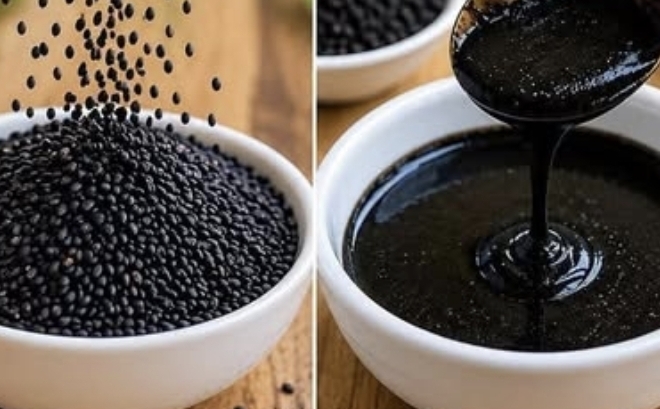
If you have seen claims that a tiny black seed can “cure more than 200 diseases,” you may be wondering whether there is any truth behind the hype. Those seeds are most likely sabja seeds, also known as sweet basil seeds or tukmaria. They are traditionally used in drinks and desserts across South Asia and Southeast Asia.
While sabja seeds are nutritious and naturally rich in fiber, they should not be described as a cure for diseases. Current evidence does not support the claim that they can cure hundreds of illnesses. They can, however, be a simple addition to a balanced diet. Basil seeds contain fiber, plant-based fats, protein, minerals, and antioxidant compounds, and they develop a pleasant gel-like coating when soaked.
This easy soaked basil seed drink combines hydrated sabja seeds with lemon, honey, and chilled water for a refreshing beverage you can enjoy any time of day.
Recipe at a Glance
- Preparation Time: 15 minutes
- Soaking Time: 15 minutes
- Cooking Time: 0 minutes
- Total Time: 15 minutes
- Servings: 2
Ingredients
- 2 tablespoons edible sabja (sweet basil) seeds
- 2 cups cold drinking water, divided
- 1 tablespoon fresh lemon juice
- 1–2 teaspoons honey or maple syrup, to taste
- 4–5 fresh mint leaves
- ½ cup ice cubes
- 2 thin lemon slices, for garnish
Choosing the Right Seeds
Use food-grade edible basil seeds, not seeds sold for planting. Basil seeds intended for eating are commonly used in beverages, smoothies, yogurt, and desserts. They should generally be soaked before consumption because dry basil seeds are small and hard to chew.
How to Make Soaked Basil Seed Drink
Step 1: Soak the Sabja Seeds
Place the basil seeds in a small bowl and pour over 1 cup of water. Stir briefly so the seeds do not stick together.
Allow them to soak for about 15 minutes. As they hydrate, the seeds swell and develop a translucent, gelatinous coating while the centers remain dark. Basil seeds can expand to roughly three times their original size.
Step 2: Drain the Seeds
Once the seeds have fully swollen, pour them through a fine-mesh strainer. Give them a quick rinse with clean water if desired, then set them aside.
Step 3: Prepare the Drink
In a large glass or pitcher, combine the remaining 1 cup cold water, lemon juice, and honey. Stir until the sweetener is well incorporated.
Add the soaked basil seeds and mint leaves. Stir gently.
Step 4: Chill and Serve
Add the ice cubes and lemon slices. Serve immediately while the drink is cold and refreshing.
For a sweeter drink, add another teaspoon of honey. For a sharper citrus flavor, add a little extra lemon juice.
Cooking Tips and Notes
- Soak thoroughly: Give the seeds enough liquid and time to develop their gel coating.
- Use plenty of water: A common guideline is about 1 cup of water for 1 tablespoon of basil seeds.
- Don’t eat large amounts dry: Basil seeds are typically soaked before eating because they swell considerably in liquid.
- Adjust sweetness: Honey, maple syrup, or another sweetener can be adjusted according to taste.
- Serve cold: Ice and fresh mint make the drink particularly refreshing during warm weather.
- Start modestly: Because basil seeds are high in fiber, suddenly consuming a large amount may cause bloating or digestive discomfort in some people.
Variations to Try
Rose Basil Seed Drink
Replace half the water with chilled milk and add 1–2 teaspoons of rose syrup. Stir in the soaked basil seeds for a simple homemade drink inspired by traditional falooda.
Basil Seed Lemonade
Increase the lemon juice to 2 tablespoons and add a little extra sweetener. Garnish with lemon wedges and fresh mint.
Coconut Basil Seed Cooler
Use chilled coconut water instead of plain water. Add lime juice rather than lemon for a tropical variation.
Fruit Basil Seed Drink
Add a few tablespoons of diced strawberries, mango, peaches, or watermelon. The neutral flavor of basil seeds works well with fresh fruit.
Storage Instructions
For the best texture and freshness, prepare this drink shortly before serving. Soaked basil seeds can be kept covered in the refrigerator for a short period, but the drink is best enjoyed fresh.
If preparing ahead, store the soaked seeds separately from the lemon drink and combine them just before serving.
Nutrition Facts
Approximate nutrition per serving, based on the recipe using 2 teaspoons of honey:
- Calories: 75
- Carbohydrates: 8 g
- Protein: 1.5 g
- Fat: 3 g
- Fiber: 4–5 g
- Sugar: 5 g
Actual nutrition will vary according to the type and quantity of sweetener used and the nutritional composition of the basil seeds.
Frequently Asked Questions
Are sabja seeds and basil seeds the same thing?
Yes. Sabja seeds are commonly called sweet basil seeds, basil seeds, or tukmaria. They are generally obtained from sweet basil (Ocimum basilicum).
Can I eat basil seeds without soaking them?
It is generally preferable to soak them first. They swell rapidly in liquid and develop a soft, gel-like coating, making them easier to incorporate into drinks and foods.
Do basil seeds really cure more than 200 diseases?
There is no good evidence supporting that claim. Basil seeds can provide useful nutrients such as fiber, plant-based omega-3 fat, protein, minerals, and antioxidant compounds, but they should not be considered a treatment or cure for disease.
Can I drink this every day?
For many healthy adults, a modest serving of soaked basil seeds can fit into a balanced diet. Because they are fiber-rich, increase your intake gradually if you are not accustomed to eating much fiber.
Are sabja seeds the same as chia seeds?
No. They are different seeds, although both form a gel when soaked and can be used in similar recipes. Basil seeds generally swell more quickly.
Can I use this recipe without honey?
Absolutely. Leave out the honey for an unsweetened version, or use a sweetener of your choice.
Who should be cautious with basil seeds?
Anyone taking medications, particularly blood-thinning medicines, or anyone with a medical condition should discuss regular use of concentrated herbal products or large amounts of seeds with a healthcare professional. Basil seeds are a food rather than a replacement for prescribed treatment.
Conclusion
This soaked basil seed drink is an easy way to enjoy sabja seeds in a refreshing, flavorful form. The seeds provide fiber and several useful nutrients, while lemon, mint, and a touch of honey give the drink a bright, pleasant flavor.
Although viral posts may describe sabja seeds as a miracle cure for hundreds of diseases, it is more accurate to view them as a nutritious food ingredient rather than medicine. Enjoy this simple drink as part of a varied, balanced diet—and let its refreshing texture and flavor be the reason you make it again.