
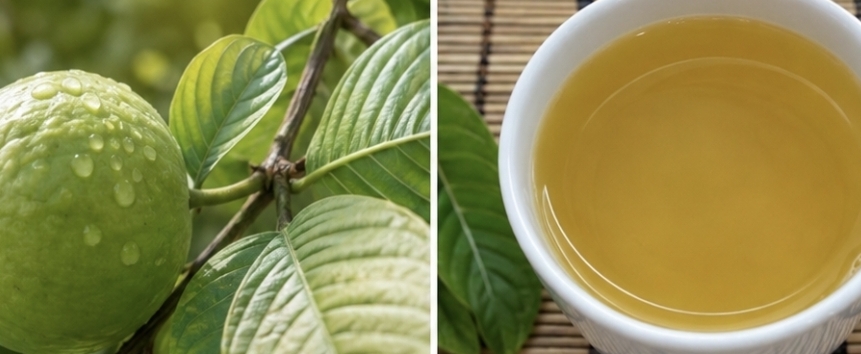
Meta Title: 17 Potential Benefits of Guava Leaf Tea + Easy Homemade Recipe
Meta Description: Discover how guava leaf tea may support digestion, heart health, immunity, and overall wellness. Learn how to prepare this traditional herbal tea safely at home.
17 Ways Guava Leaf Tea May Support Everyday Wellness + An Easy Homemade Recipe
Guava is well known for its delicious tropical fruit, but its leaves have also been valued in traditional wellness practices for generations. Across many cultures, guava leaf tea has been enjoyed as a simple herbal drink that may help support overall health when combined with a balanced lifestyle.
Rich in naturally occurring antioxidants, flavonoids, tannins, and other plant compounds, guava leaf tea has attracted scientific interest for its potential role in supporting digestion, metabolism, skin health, and immune function.
While it is not a cure or treatment for any medical condition, it can be a soothing addition to a healthy daily routine. Below are 17 areas where guava leaf tea has traditionally been used or is being studied for its supportive properties.
Why Guava Leaf Tea Is So Popular
Guava leaves contain a variety of bioactive compounds, including:
- Flavonoids
- Polyphenols
- Tannins
- Vitamin C
- Natural antioxidants
These compounds may help protect cells from oxidative stress and contribute to overall wellness.
17 Potential Wellness Benefits of Guava Leaf Tea
1. May Help Support Healthy Blood Sugar Levels
Some research suggests guava leaf extracts may help support healthy glucose metabolism when combined with a nutritious diet and regular physical activity.
2. May Promote Heart Health
Guava leaf tea contains antioxidants that may support cardiovascular wellness and healthy cholesterol levels as part of an overall heart-friendly lifestyle.
3. May Support Healthy Weight Management
Drinking unsweetened herbal tea alongside regular exercise and balanced nutrition may help support healthy metabolism.
4. May Aid Digestive Comfort
Traditionally, guava leaf tea has been used to promote comfortable digestion and may help reduce occasional bloating after meals.
5. May Help During Occasional Loose Stools
In traditional herbal medicine, guava leaves have been used to support normal digestive function during occasional digestive discomfort.
6. May Support a Healthy Gut Environment
Its natural plant compounds have been studied for their antimicrobial properties, which may help maintain digestive balance.
7. May Provide Comfort During Menstrual Cycles
Some women enjoy guava leaf tea as a warm herbal beverage that may help promote comfort during menstrual discomfort.
8. May Soothe the Throat
A warm cup of guava leaf tea may help provide temporary comfort for a dry or irritated throat.
9. May Support Respiratory Wellness
Traditional use suggests guava leaf tea may help promote overall respiratory comfort, particularly during seasonal changes.
10. May Support Clearer-Looking Skin
The antioxidants found in guava leaves may help support healthy-looking skin by protecting cells from oxidative stress.
11. May Support the Skin’s Natural Recovery
Traditional herbal practices have used guava leaves to help support the skin’s natural healing process.
12. May Help Maintain Oral Hygiene
Some people use cooled guava leaf tea as a mouth rinse to support fresh breath and healthy gums.
13. May Support Normal Liver Function
Antioxidant-rich foods and beverages, including guava leaf tea, may contribute to overall liver wellness as part of a healthy lifestyle.
14. May Support Healthy Circulation
Maintaining hydration and consuming antioxidant-rich beverages may contribute to normal cardiovascular function.
15. May Support Men’s Urinary Wellness
Traditional herbal practices have associated guava leaves with supporting urinary comfort and general wellness in men.
16. May Help Protect Against Oxidative Stress
Guava leaves are naturally rich in antioxidants that help neutralize free radicals, supporting healthy cells throughout the body.
17. May Support a Healthy Immune System
A nutrient-rich diet combined with antioxidant-containing herbal beverages may help support normal immune function.
How to Make Guava Leaf Tea at Home
Ingredients
- 10–15 fresh guava leaves (or 1 tablespoon dried guava leaves)
- 2 cups of water
- 1 teaspoon honey (optional)
- A squeeze of fresh lemon (optional)
Instructions
- Rinse the guava leaves thoroughly under clean running water.
- Bring two cups of water to a gentle boil.
- Add the leaves and simmer for about 10 minutes.
- Remove from heat and let the tea steep for another 5 minutes.
- Strain into a cup.
- Add honey or lemon if desired.
- Enjoy warm in the morning or evening.
Tips for Enjoying Guava Leaf Tea
- Limit intake to 1–2 cups per day unless advised otherwise by a healthcare professional.
- Fresh, pesticide-free leaves are ideal whenever available.
- Store dried leaves in an airtight container away from heat and moisture.
- If you are pregnant, breastfeeding, taking medications, or managing a chronic health condition, consult your healthcare provider before using herbal teas regularly.
Can Guava Leaf Tea Replace Medical Treatment?
No. Guava leaf tea should be viewed as a traditional herbal beverage that may support general wellness. It should not replace prescribed medications, professional medical care, or evidence-based treatment for any disease.
If you experience persistent symptoms or have concerns about your health, seek guidance from a qualified healthcare professional.
Final Thoughts
Guava leaf tea has been appreciated in traditional wellness practices for centuries and continues to attract interest for its natural plant compounds. Whether you enjoy it to support digestive comfort, antioxidant intake, or as part of a relaxing daily ritual, it can be a pleasant addition to a healthy lifestyle.
The greatest benefits come from combining herbal beverages with balanced nutrition, regular exercise, adequate sleep, and routine medical care. Small, consistent healthy habits often make the biggest difference over time. 🌿🍵