
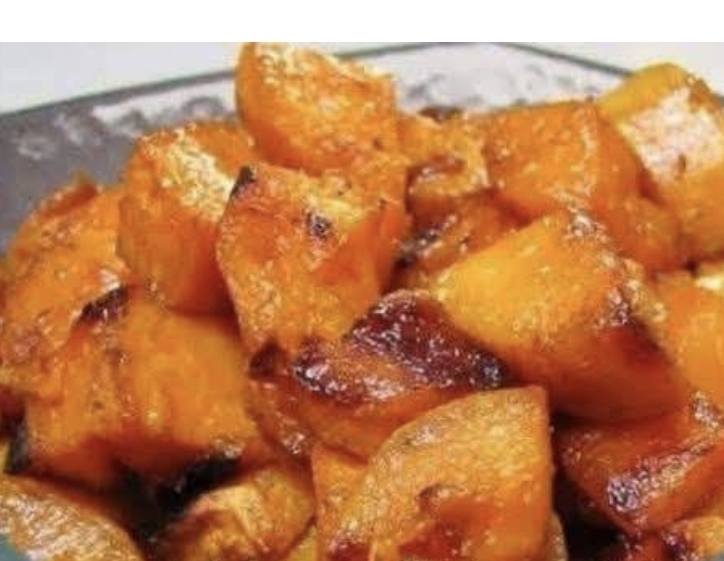
Description
This roasted pumpkin recipe highlights pumpkin’s natural fiber and antioxidants. When prepared without added sugar, pumpkin can be part of a diabetes-friendly meal because fiber slows glucose absorption.
Ingredients
- 2 cups pumpkin or winter squash, peeled & cubed
- 1 tablespoon olive oil
- ½ teaspoon cinnamon (optional)
- ¼ teaspoon black pepper
- ¼ teaspoon salt
- Optional: garlic powder or herbs
Instructions
- Preheat oven to 200°C (400°F)
- Toss pumpkin cubes with olive oil and seasonings
- Spread evenly on a baking tray
- Roast for 25–30 minutes, turning once
- Serve warm
Notes
- Do not add sugar, honey, or syrup
- Portion control is important
- Best eaten with protein or healthy fat
Tips
- Pair with lentils, beans, eggs, or yogurt
- Avoid deep frying
- Smaller portions help prevent sugar spikes
- Roasting is better than boiling for flavor
Servings
- 2 servings
Nutritional Info (per serving, approx.)
- Calories: 80–90 kcal
- Carbohydrates: 12 g
- Fiber: 3 g
- Sugar: 4 g (natural)
- Fat: 4 g
- Protein: 2 g
Benefits
- High in fiber → slows sugar absorption
- Rich in beta-carotene & antioxidants
- Supports digestion
- Helps with fullness and weight management
- Low glycemic load when portion-controlled
Q & A
Q: Does pumpkin cure diabetes?
A: No. No food can cure diabetes.
Q: Can people with diabetes eat pumpkin?
A: Yes, in moderate portions and without added sugar.
Q: Is pumpkin better than potatoes?
A: Often yes, because it has more fiber and a lower glycemic impact.
Q: Can teenagers eat this safely?
A: Yes, as part of a balanced diet.
Q: Why do people say it “eats sugar”?
A: That is false marketing language, not science.