
Dizziness can be unsettling. Whether it feels like lightheadedness, imbalance, or the sensation that the room is spinning, it’s natural to wonder whether poor blood flow to the brain is to blame.
While a diet rich in fruits and vegetables supports overall cardiovascular health, it’s important to know that pomegranate, beetroot, and lemon do not treat dizziness, clear blocked arteries, or restore brain circulation.
Dizziness has many possible causes, including dehydration, anemia, low blood sugar, low blood pressure, inner ear disorders, anxiety, migraines, medication side effects, and other medical conditions. If symptoms are persistent, recurrent, or severe, they should always be evaluated by a healthcare professional.
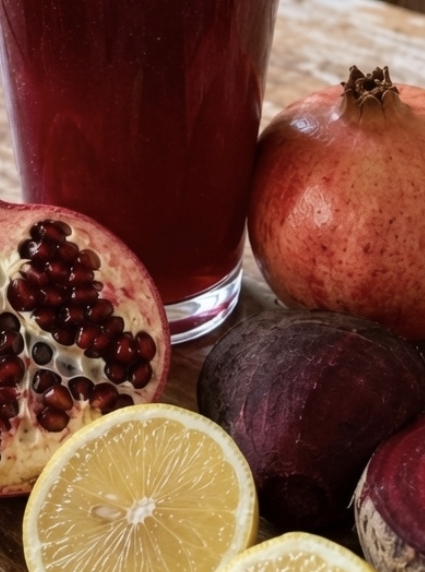
That said, a homemade juice made with pomegranate, beetroot, and lemon can be a refreshing addition to a balanced diet, providing hydration, antioxidants, and beneficial plant compounds.
Can Diet Help Support Healthy Blood Circulation?
Good circulation depends on many lifestyle factors—not a single food or drink.
A heart-healthy eating pattern combined with regular exercise, adequate hydration, quality sleep, and proper medical care plays a much greater role in maintaining healthy blood vessels than any individual juice recipe.
The ingredients below offer valuable nutrients, but they should not be viewed as treatments for dizziness or vascular disease.
Nutritional Benefits of Pomegranate, Beetroot, and Lemon
Pomegranate: Rich in Natural Antioxidants
Pomegranate is packed with naturally occurring plant compounds, including:
- Polyphenols
- Anthocyanins
- Flavonoids
- Vitamin C
These antioxidants help protect cells from oxidative stress and make pomegranate a nutritious choice as part of a healthy diet.
Research has explored the relationship between pomegranate and cardiovascular health, but current evidence does not support using pomegranate juice to treat poor circulation, high blood pressure, or brain disorders.
Enjoy pomegranate fresh, in salads, or as part of unsweetened beverages.
Beetroot: A Natural Source of Dietary Nitrates
Beetroot contains naturally occurring dietary nitrates.
Inside the body, these nitrates can be converted into nitric oxide, a molecule involved in relaxing blood vessels and supporting healthy blood flow.
Several studies suggest that beetroot juice may modestly lower blood pressure in some individuals, although results vary considerably.
Its effects are not comparable to prescription medications, and beetroot should not replace medical treatment for cardiovascular disease.
People with naturally low blood pressure should be especially cautious, particularly if dizziness tends to occur when standing up.
Lemon: Fresh Flavor and Vitamin C
Lemon contributes:
- Vitamin C
- Natural citrus flavor
- Additional hydration when included in beverages
Vitamin C functions as an antioxidant that helps protect cells from damage caused by free radicals.
However, adding lemon to a drink does not prevent stroke or improve poor brain circulation.
Homemade Pomegranate, Beetroot, and Lemon Juice
This simple juice is intended as a nutritious beverage—not a medical treatment.
Ingredients
- ½ small raw beetroot, peeled
- Seeds from ½ fresh pomegranate
- Juice of ½ lemon
- 200–250 ml (about 1 cup) water
- Ice cubes (optional)
How to Prepare
- Wash and peel the beetroot.
- Cut it into small pieces.
- Add the beetroot, pomegranate seeds, and water to a blender.
- Blend until smooth.
- Add the fresh lemon juice.
- Blend briefly again.
You may strain the juice if preferred, but leaving some of the pulp helps retain more dietary fiber.
Serve immediately.
Avoid adding sugar or honey whenever possible.
This recipe makes approximately one serving.
How to Include This Juice in a Healthy Diet
This beverage is best enjoyed occasionally as part of a balanced eating plan.
For example, you can drink it:
- Alongside a balanced meal
- As a nutritious afternoon refreshment
- After physical activity, together with adequate hydration
It should not replace breakfast, lunch, or other complete meals.
If you’re new to beetroot, consider starting with one-quarter of a small beet to see how your body responds.
After eating beetroot, urine or stool may temporarily appear pink or reddish—a harmless condition known as beeturia in many healthy individuals.
Who Should Be Careful?
Although these ingredients are generally nutritious, some people should consult their healthcare provider before regularly consuming concentrated beetroot or pomegranate juice.
This includes individuals with:
- Diabetes
- Low blood pressure
- Kidney disease
- A history of kidney stones
- Cardiovascular conditions
- Prescription medications affecting blood pressure
Pomegranate may also interact with certain medications, including some drugs used to manage cholesterol and cardiovascular disease.
Always discuss regular use of concentrated fruit or vegetable juices with your healthcare provider if you take prescription medications.
Lifestyle Habits That Truly Support Vascular Health
No single beverage can guarantee healthy circulation.
Evidence-based habits include:
- Eating plenty of fruits and vegetables
- Choosing whole grains
- Including beans and legumes regularly
- Eating fish and healthy fats such as olive oil
- Staying physically active
- Drinking enough water
- Getting adequate sleep
- Avoiding tobacco products
- Managing blood pressure, diabetes, and cholesterol with medical guidance
A consistently healthy lifestyle has far greater benefits than relying on any single “circulation-boosting” drink.
When Is Dizziness a Medical Emergency?
Seek prompt medical attention if dizziness occurs together with:
- Fainting
- Weakness on one side of the body
- Difficulty speaking
- Facial drooping
- Sudden vision changes
- Severe headache
- Chest pain
- Shortness of breath
- Difficulty walking or maintaining balance
These symptoms may indicate a stroke or another serious medical condition requiring immediate emergency care.
Home remedies should never delay urgent medical evaluation.
Frequently Asked Questions
Can beetroot juice improve blood circulation?
Beetroot contains dietary nitrates that may support normal blood vessel function, but it does not treat circulatory diseases or replace prescribed medications.
Does pomegranate prevent strokes?
No. While pomegranate is rich in antioxidants and may be part of a heart-healthy diet, there is no evidence that it prevents strokes on its own.
Can this juice stop dizziness?
No. Dizziness has many possible causes, and this juice is not a treatment for dizziness. Persistent symptoms require medical evaluation.
Is it safe to drink beetroot juice every day?
For many healthy adults, moderate amounts can fit into a balanced diet. However, people with kidney disease, low blood pressure, diabetes, or those taking certain medications should consult a healthcare professional before drinking concentrated beetroot juice regularly.
Final Thoughts
A homemade juice made with pomegranate, beetroot, and lemon can be a refreshing source of antioxidants, vitamin C, hydration, and naturally occurring dietary nitrates. As part of an overall healthy lifestyle, it may contribute to general cardiovascular wellness.
However, it should not be considered a treatment for dizziness, poor brain circulation, blocked arteries, or stroke prevention. If dizziness becomes frequent, persistent, or occurs alongside neurological symptoms, seek medical attention promptly. Long-term vascular health depends on balanced nutrition, regular exercise, appropriate medical care, and managing underlying health conditions—not on any single beverage.