
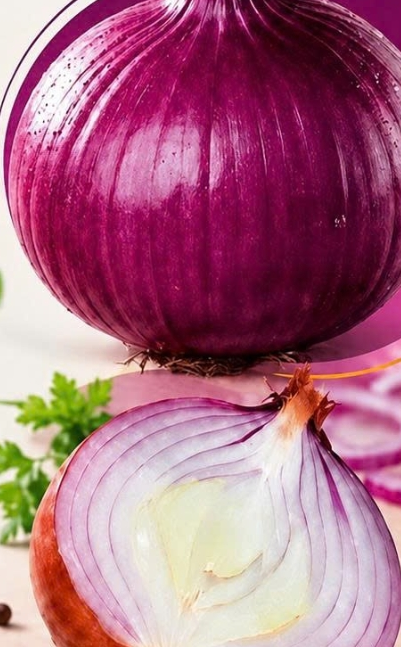
Purple onion, also known as red onion, is one of the most popular vegetables found in kitchens around the world. While many people use it simply to enhance the flavor of salads, sandwiches, tacos, and cooked meals, this colorful vegetable offers much more than taste alone.
Packed with antioxidants, vitamins, minerals, and plant compounds, purple onions have become increasingly recognized for their potential role in supporting overall health. From cardiovascular wellness and immune function to digestion and healthy aging, this humble ingredient contains a surprising range of nutritional benefits.
In recent years, nutrition experts and wellness enthusiasts have highlighted purple onion as one of the most powerful vegetables that can easily be incorporated into a balanced daily diet. Research continues to explore how its unique compounds may contribute to long-term wellness and disease prevention.
What Makes Purple Onion Different?
Although white, yellow, and purple onions belong to the same family, purple onions stand out because of their vibrant color and unique nutritional profile.
The deep purple color comes from natural pigments called anthocyanins. These compounds belong to a group of antioxidants that help protect cells against oxidative stress. Purple onions are also rich in quercetin, one of the most studied plant flavonoids in nutrition science.
Purple onions also provide:
- Vitamin C
- Vitamin A
- Fiber
- Potassium
- Magnesium
- Sulfur compounds
- Antioxidants
- Flavonoids
This combination makes them one of the most nutrient-dense vegetables commonly available year-round.
Why Antioxidants Matter for Overall Health
Modern lifestyles expose the body to many sources of oxidative stress, including:
- Pollution
- Smoking
- UV radiation
- Poor dietary habits
- Chronic stress
Oxidative stress occurs when free radicals accumulate faster than the body can neutralize them.
Over time, this imbalance may contribute to cellular damage and age-related health concerns.
💜 Purple onions contain powerful antioxidants such as quercetin and anthocyanins that help support the body’s natural defense systems against oxidative stress.
Purple Onion and Heart Health
One of the most discussed benefits of purple onions is their potential role in supporting cardiovascular wellness.
Supports Healthy Circulation
Healthy blood circulation is essential for delivering oxygen and nutrients throughout the body.
Research highlights that purple onions contain sulfur compounds and antioxidants that may help support vascular function and circulation.
May Help Support Healthy Cholesterol Levels
Several nutritional studies suggest that compounds found in onions may contribute to healthy cholesterol balance when consumed as part of a nutritious diet.
Purple onions contain antioxidants and sulfur compounds that have been associated with cardiovascular support.
Supports Blood Vessel Health
Quercetin may help protect blood vessels from oxidative damage while supporting arterial function.
Healthy blood vessels play an important role in maintaining long-term cardiovascular wellness.
How Purple Onion May Support the Immune System
A strong immune system relies on proper nutrition.
Purple onions contain nutrients that contribute to immune health, including vitamin C and antioxidant compounds.
Vitamin C supports:
- Immune defense
- Cellular protection
- Tissue repair
- Collagen production
Additionally, sulfur compounds found in onions have long been studied for their role in supporting natural immune responses.
🌿 Including antioxidant-rich vegetables regularly may help support the body’s ability to respond to environmental stressors.
Purple Onion and Inflammation Balance
Inflammation is a natural biological response, but chronic inflammation has been linked to many long-term health concerns.
Researchers continue studying how plant compounds may help support healthy inflammatory balance.
Purple onions are rich in quercetin, a flavonoid that has attracted attention for its antioxidant and anti-inflammatory properties.
Because of this, purple onions are frequently included in wellness-focused diets that emphasize whole foods and plant-based nutrition.
The Digestive Benefits of Purple Onion
Digestive wellness affects many aspects of overall health.
Purple onions contain dietary fiber and prebiotic compounds that help nourish beneficial gut bacteria.
These nutrients may help support:
- Healthy digestion
- Gut microbiome balance
- Regular bowel movements
- Nutrient absorption
According to nutrition sources, onions contain inulin, a type of prebiotic fiber that helps feed beneficial intestinal bacteria.
A healthy digestive system plays an important role in overall wellness, energy levels, and nutrient utilization.
Purple Onion and Healthy Aging
One reason purple onions are becoming increasingly popular among health-conscious individuals is their antioxidant content.
Aging is influenced by many factors, including oxidative stress and lifestyle habits.
The antioxidants found in purple onions help protect cells from free radical damage, which may support healthy aging over time.
✨ Consuming a variety of antioxidant-rich foods is often recommended as part of a wellness-focused lifestyle.
Potential Benefits for Respiratory Health
Traditional wellness practices have used onions for generations to support respiratory comfort.
Purple onions contain compounds associated with:
- Natural expectorant properties
- Antioxidant activity
- Respiratory support
Some sources note that flavonoids and sulfur compounds found in onions have historically been used in home remedies for seasonal respiratory discomfort.
While onions should not replace medical care, they remain a popular ingredient in traditional wellness preparations.
Why Many People Prefer Purple Onion Over Other Varieties
Purple onions offer several culinary advantages.
Compared to some yellow onions, they often have:
- A milder flavor
- Slight natural sweetness
- Crisp texture
- Attractive color
These qualities make them ideal for:
- Salads
- Sandwiches
- Salsas
- Pickled vegetables
- Fresh garnishes
🍽️ Many food lovers appreciate purple onions because they add both flavor and visual appeal to meals.
Easy Ways to Add More Purple Onion to Your Diet
One of the biggest advantages of purple onions is their versatility.
Fresh in Salads
Thinly sliced purple onions pair well with leafy greens, cucumbers, tomatoes, and citrus dressings.
Pickled Purple Onions
Pickled onions have become increasingly popular because they add flavor while maintaining a refreshing texture.
A popular community recipe combines purple onions with water and vinegar for a simple homemade pickle.
Added to Tacos and Sandwiches
Purple onions provide a crisp texture and bright flavor that complement many savory dishes.
Roasted with Vegetables
Roasting softens the onion while enhancing its natural sweetness.
Raw vs Cooked Purple Onion
Many people wonder whether raw or cooked onions provide greater nutritional benefits.
Raw Purple Onion
Raw onions may preserve more of their antioxidant compounds and vitamin content.
Many nutrition enthusiasts prefer adding raw onion to salads and fresh dishes.
Cooked Purple Onion
Cooking onions can make them easier to digest while still providing valuable nutrients.
Roasted, grilled, sautéed, and caramelized onions remain nutritious additions to meals.
🔥 Both raw and cooked onions can contribute to a balanced diet, and variety is often the best approach.
Other Nutrients Found in Purple Onion
Beyond antioxidants, purple onions contain several important nutrients.
These include:
- Potassium
- Magnesium
- Calcium
- Zinc
- Selenium
- B vitamins
These nutrients support numerous biological functions throughout the body.
Healthy Lifestyle Habits That Work Alongside Good Nutrition
Although nutrient-rich foods are important, overall wellness depends on daily habits.
Stay Physically Active
Exercise supports cardiovascular function and circulation.
Get Quality Sleep
Sleep allows the body to recover and regulate important biological processes.
Stay Hydrated
Proper hydration supports digestion, circulation, and energy levels.
Manage Stress
Chronic stress may affect both physical and mental well-being.
🧘 Relaxation practices such as walking, meditation, and mindful breathing may help support overall wellness.
Frequently Asked Questions
Can I eat purple onion every day?
For most healthy individuals, moderate daily consumption can be part of a balanced diet.
Is purple onion healthier than white onion?
Both are nutritious, but purple onions generally contain higher levels of anthocyanins and certain antioxidants.
Does purple onion help the immune system?
Its vitamin C and antioxidant content may help support normal immune function.
Can purple onion support heart health?
Research suggests its antioxidants and sulfur compounds may contribute to cardiovascular wellness as part of a healthy diet.
Final Thoughts
Purple onion is far more than a flavorful kitchen ingredient. Rich in antioxidants, fiber, vitamins, minerals, and beneficial plant compounds, it offers a wide range of potential health benefits that support heart health, immune function, digestion, circulation, and healthy aging.
🌟 While no single food can guarantee perfect health, incorporating purple onions into a balanced diet alongside regular exercise, proper hydration, quality sleep, and healthy lifestyle habits may help support long-term wellness naturally and deliciously.